
Drip faucets in Texas only when forecasts show temperatures near 20°F or lower for several consecutive hours, not for brief overnight dips. Focus on faucets connected to exterior walls, attics, garages, and the one farthest from the water meter, since these lines are the first to lose protection.
Use a slow, pencil-lead–sized drip and run both hot and cold taps when they share the same wall cavity. Wind and long-duration events increase risk by accelerating heat loss, so cabinet doors under exterior sinks should be opened. Stop dripping once temperatures rise.
This guide explains when to drip faucets and more. If you have more questions, call us at (830) 331-2055. Gottfried Plumbing offers professional plumbing services in Boerne, TX.
When to Drip Faucets in Texas
Below is when to drip faucets:
Drip faucets during freezing weather in Texas
Drip faucets during freezing weather in Texas when the air temperature is expected to reach 20°F or lower for several consecutive hours. This threshold matters because prolonged exposure, not short dips, causes pipes to freeze. A brief overnight freeze may not affect plumbing, but prolonged conditions allow ice to form inside pipes in exterior walls or unheated spaces.
Wind increases risk even when temperatures hover slightly. Moving air strips heat from exposed pipes faster, especially in attics, garages, and crawl spaces common in Boerne, TX, homes. Once ice begins forming, water flow slows, pressure builds, and the risk of bursting rises.
Dripping faucets keep water moving through the plumbing system. Movement reduces ice formation and relieves pressure. This approach protects pipes connected to exterior walls and the faucet farthest from the main water shutoff, which is often the most vulnerable.
Drip faucets connected to exterior pipes first
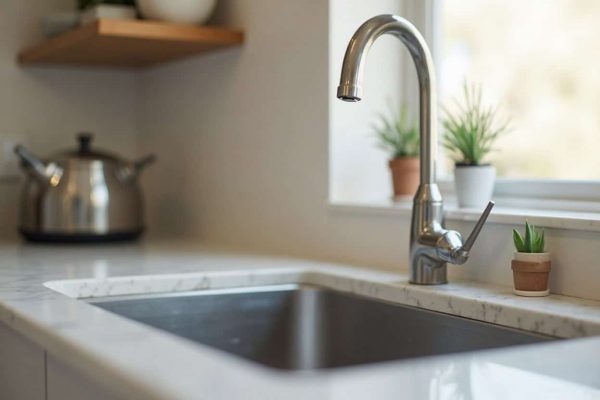
Drip faucets that supply exterior-wall pipes because these lines freeze first during cold weather. In Texas, homes often have plumbing that runs through exterior walls, attics, and garages with limited insulation. When temperatures drop, these pipes lose heat faster than interior lines. Ice forms inside the pipe, restricting water flow and increasing internal pressure.
Choose the faucet farthest from the water meter or main shutoff. This location keeps water moving through the longest section of pipe. Dripping only one interior faucet does not protect exterior plumbing. A slow, steady drip is enough. The flow should be about the size of a pencil lead, not a stream.
Drip both hot and cold faucets when pipes share the same wall cavity. Hot lines cool quickly when unused, and cold lines freeze first. Moving water through both helps prevent pipe bursting.
Drip faucets only when freezing conditions last long enough to threaten pipes
Drip faucets only when freezing conditions persist long enough for ice to form in the pipes. Short drops below freezing rarely affect plumbing. Risk increases when cold weather holds for many hours, especially overnight, and daytime temperatures stay low. Consecutive hours below the freeze point allow pipes to cool fully from the inside out.
Pay attention to forecasted temperature and duration, not just the low number. A single hour rarely causes problems. A prolonged freeze combined with wind increases heat loss from pipes in attics, exterior walls, and unconditioned spaces.
Dripping faucets during extended cold weather keep water moving and reduce pressure if ice forms. This lowers the likelihood of bursting and limits damage to the plumbing system. Stop dripping once temperatures rise.
What Temperature Should You Drip Faucets in Texas to Prevent Freezing?
Drip faucets when the air temperature is forecast to reach 20°F or lower for several consecutive hours. This threshold matters because pipes lose thermal protection over time, not instantly. A brief dip above this range rarely affects plumbing. Extended exposure allows ice to form inside pipes located in exterior walls and attics.
Duration is critical. Two hours at this temperature presents a low risk. Twelve or more consecutive hours increase pressure as water expands. This is when dripping becomes necessary to protect the plumbing system and prevent bursting. Wind exposure in carports, crawl spaces, and attic vents accelerates heat loss even when the air temperature is marginally higher.
Local infrastructure matters. Homes supplied by a water tower system, including many Municipal Utility Districts (MUDs), are expected to have their faucets drip to maintain system flow. Always check city or MUD guidance, as excessive dripping can affect municipal water pressure during regional events.
How Prolonged Freeze Conditions in Cold Weather Change Faucet Dripping Rules
Prolonged conditions change faucet dripping rules because risk depends on time below 32°F, not brief temperature dips. One or two hours below freezing rarely affects water lines. Problems begin when forecasts show many consecutive hours below 32°F, especially overnight. In Texas, guidance commonly treats extended exposure near 20°F as a hard event that threatens lines in exterior walls and attics.
Wind chill increases the risk by accelerating heat loss from exposed areas in carports, crawl spaces, and attics. The water itself does not cool faster, but the line does. This is why duration matters more than the lowest forecast number. A multi-day event places far more stress on systems than a short overnight dip.
During these conditions, faucets should drip at a pencil-lead–sized trickle. Cabinet doors under exterior-wall sinks should be opened to allow indoor warmth to reach the lines.
Call (830) 331-2055 for Professional Plumbing Services in Boerne TX
If dripping faucets isn’t enough or you’re dealing with slow flow, pressure issues, or line damage after extended low temperatures, call (830) 331-2055. Our Boerne-based plumbing team understands local construction and water systems, as well as Texas-specific risks. We assess vulnerable lines, prevent failures, and restore proper flow without unnecessary water waste.
FAQs
Do you need to drip all faucets?
No. Drip only faucets connected to vulnerable water lines located in exterior walls, attic runs, or other unconditioned spaces. Always include the faucet farthest from the water meter or main shutoff to maintain flow through the longest run. Dripping faucets unnecessarily increase system demand without providing added protection.
When should I drip faucets?
Drip faucets when forecasted air readings are expected to reach 20°F or lower for several consecutive hours. Length of exposure matters more than short dips. Extended low readings increase internal pressure within water lines and raise the risk of failure in exposed sections common in homes.
Do you drip hot or cold water to keep pipes from freezing?
Drip both hot and cold taps when they share the same wall cavity or supply path. This keeps water moving through both lines, reduces pressure buildup, and better protects the home’s water system than dripping on one side only.