

A septic tank with a riser is unlikely to freeze when the system is properly sealed, insulated, and in regular use. Freezing occurs when cold air enters through unsealed riser lids, insulation is lacking, or soil and snow cover are removed.
Shallow installations common in Boerne and the Texas Hill Country increase exposure during hard freezes. Consistent water use, sealed and insulated risers, and leaving surface cover in place help prevent ice formation. If freezing occurs, reduced flow, odors, or backups are common warning signs and require professional attention.
This guide answers whether a septic system with a riser freezes and more. If you have more questions, call us at (830) 331-2055. Gottfried Plumbing offers professional plumbing services in Boerne, TX.
Will a Septic Tank Freeze With a Riser?
A septic tank with risers is less likely to freeze because heat is retained and cold air is prevented from entering. In a properly installed septic system, risers extend access to grade while remaining sealed. When riser covers are watertight and insulated, outside air cannot reach the tank interior. This limits heat loss from the wastewater and reduces the chance of ice forming.
Freezing risk increases when extensions are unsealed or poorly insulated. Cold air travels down the riser shaft and contacts the liquid effluent. When this happens, frost can form near the inlet or outlet baffles, restricting flow through the septic system. Repeated exposure during hard freezes increases the likelihood of a frozen condition, even in climates with shallow frost depth.
Insulating risers with rigid foam and maintaining snow cover above the septic tank helps preserve heat. Snow acts as a natural insulator. Removing it increases exposure. A sealed septic system retains the internal warmth generated by normal household use, helping septic tanks function during cold weather.
Why Septic Freezing Occurs
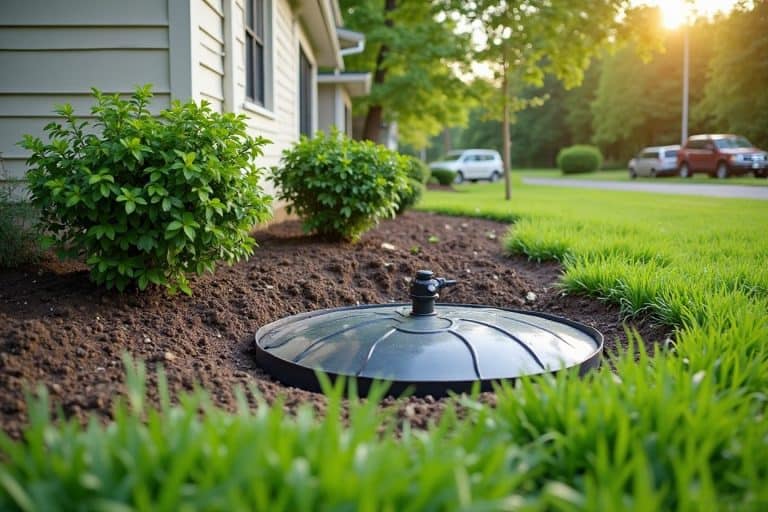
Septic tank freezing occurs when heat loss exceeds the heat generated within the septic system.
A functioning septic tank relies on warm wastewater from the home and biological activity to maintain temperature. When usage drops or exposure increases, internal heat declines. Cold air entering through unsealed risers, damaged covers, or shallow installation accelerates freezing conditions.
Freezing is more likely in septic systems with high exposure. Tanks installed too close to grade, systems with minimal soil cover, lose insulation. Wind and prolonged cold pull heat away from the tank faster than it can be replaced. Once temperatures drop far enough, liquid effluent begins to form ice, restricting flow through the septic system.
A frozen septic tank disrupts the entire sewer process. Ice can block inlet and outlet baffles, slow drainage, and cause backups into the home. Preventing freezing depends on limiting heat loss through proper insulation, sealed covers, and maintaining consistent wastewater flow during cold periods.
Septic tanks are more likely to freeze when riser covers are not sealed & allow cold air to enter the system.
Risers create a direct vertical path from the surface to the septic tank. If they are cracked, loose, or not watertight, cold air can enter the riser shaft, causing the tank to lose heat. This exposure increases the risk of freezing even when soil cover is adequate.
Unsealed covers allow repeated cold cycling. During extended cold periods, air movement through the riser first cools the liquid near the inlet and outlet baffles. Ice forms in these areas before the rest of the tank freezes. Once it develops, flow slows, and pressure builds upstream in the sewer line.
Proper covers reduce risk. Watertight, insulated lids block airflow and retain heat generated inside the septic system. Adding rigid foam insulation beneath covers further limits heat loss. Maintaining snow cover above the tank extension provides additional protection during freezing conditions.
Septic systems with limited insulation are more vulnerable to freezing because cold penetrates the tank more easily.
In Boerne and the Texas Hill Country, septic tanks are often installed at shallow depths due to rocky soil and karst conditions. When soil cover is thin, temperature fluctuations reach the septic tank faster. This increases the risk of freezing during prolonged cold snaps.
Insulating the area above the septic tank and risers reduces exposure. Rigid foam insulation placed over the footprint slows temperature transfer from the surface. Natural snow cover also plays a role by forming an insulating layer that limits the penetration of cold air. Removing snow exposes septic tanks to rapid temperature loss, increasing the risk of frozen effluent. Freezing inside the septic system disrupts flow and stresses components.
How to Keep Your Septic System from Freezing
Below is how to keep your septic system from freezing:
Run water daily to keep effluent moving through the septic tank
To keep a septic system from freezing, run water through it every day during cold weather. Turn on sinks, showers, or a washing machine to move warm effluent from the home into the septic tank. Flow keeps liquid from sitting long enough to freeze near the inlet and outlet baffles. Avoid leaving the property unoccupied during winter cold snaps in Boerne, where shallow freezing depths still allow ice to form during hard freezes.
Seal and insulate the septic tank riser
A septic tank riser is necessary for access, but it must be sealed correctly. Inspect the riser lid and confirm it is watertight and tightly fastened. PVC, polyethylene, and concrete extensions all require sealed joints to prevent cold air from getting in. Install rigid foam insulation around and above the riser to reduce temperature transfer. An unsealed riser increases the risk of a frozen septic system even in the Texas Hill Country.
Leave soil and snow cover in place above septic systems
Do not remove soil or snow cover from above septic tanks. Snow cover slows temperature loss and helps protect the septic system during freezing events. Mark the tank location so it is not cleared, compacted, or driven over. In Kendall County, rocky soil limits burial depth, making surface protection critical.
Call (830) 331-2055 for Professional Plumbing Services in Boerne, TX
When a septic system freezes, the problem extends beyond the tank. Frozen effluent can block sewer lines, overload fixtures, and cause backups inside the home. Our professional plumbing service restores flow without damaging the septic tank, risers, or internal baffles.
Our Boerne, TX team understands Texas Hill Country soil conditions, shallow installations, and cold-weather risks. We diagnose frozen sections, protect the septic system, and resolve related plumbing issues safely. If winter conditions affect drainage, pressure, or system performance, call (830) 331-2055 for professional plumbing services in Boerne, Texas
FAQs
Is a septic tank riser necessary?
Yes. A septic system riser is necessary for proper access to the septic system for inspection, maintenance, and pumping. When installed and sealed correctly, a riser does not increase the risk of freezing, even during extreme cold events. Problems occur only when extensions are unsealed or poorly insulated, allowing cold air to reach the tank.
What to do if your septic freezes?
If your septic system freezes, stop or reduce water use immediately. Continued flow can worsen blockages and increase pressure in sewer lines. Do not attempt to force water through the system. Contact our qualified professional at (830) 331-2055 to safely thaw the system and assess damage, especially during high freezing conditions that can affect septic tanks and internal components. Do not force flow into a frozen system. Contact a professional familiar with TCEQ regulations. Improper thawing can damage baffles, risers, or the tank itself.
How can I tell if my septic system is frozen during a high winter freeze?
You can tell a septic system is frozen during a high winter freeze when drains slow or stop completely, toilets do not flush properly, or gurgling sounds come from plumbing lines. Sewer odors may be noticeable inside or outside the home as wastewater movement is restricted. In more severe cases, water may back up into sinks or tubs. These signs often appear suddenly after prolonged cold weather and indicate ice restricting flow within the septic system.