

Follow our seasonal plumbing preventative maintenance tips to keep your system running smoothly in Boerne.
- In Spring: Check faucets, drains, pipes, and outdoor plumbing after winter to restore a steady flow.
- In Summer: Inspect outdoor plumbing, appliances, and drains to handle high water use.
- In Fall: Prepare pipes, toilets, fixtures, and water heaters for cold weather.
- In Winter: Protect pipes, valves, and outdoor plumbing from freezing and hidden leaks.
Preventive plumbing maintenance keeps your system steady through heat, cold nights, and heavy water use in Boerne. Homes in this area face hard water, shifting soil, and sudden weather changes, which stress drains and appliances.
When you follow a clear maintenance checklist each season and schedule annual plumbing maintenance, you lower the chance of leaks, protect pipes from corrosion, and keep drains clear.
This guide shows you what to check during spring, summer, fall, and winter, so you stay ahead of problems. If you need help, call Gottfried Plumbing at 830 331-2055. We offer year-round services for homes in Boerne.
Spring Preventative Plumbing Maintenance Tips
In Spring, check faucets, drains, pipes, pressure, hoses, outdoor lines, and valves to catch early issues before they grow.
Spring is a good time to check the plumbing system after winter. These maintenance tasks help you handle minor issues early. They help protect water flow and reduce your risk of costly repairs later.
1. Check faucets for small leaks to lower water loss
Look for drops around sinks and fixtures. Small drips raise water bills and create water stains. This step helps you spot worn parts early so you can fix them before the leak grows.
2. Inspect drains for slow flow to stop early blockages
Run the tap in showers and sinks. If the drain slows or bubbles, you may have a buildup inside the pipe. Clearing drains early keeps the flow steady and stops bigger plumbing issues.
3. Look over pipes for corrosion to prevent cracks
Check pipes under sinks, inside cabinets, and near the water heater. Corrosion shows as green or brown marks. Moisture may show as puddles or soft wood. Spotting corrosion early keeps the pipe safe from cracks.
4. Test the water pressure to confirm a steady flow
Turn on showers. Steady flow means good pressure. Low flow can point to sediment in the water heater or buildup inside the lines.
5. Review hoses for wear to avoid sudden breaks
Check the hoses on your washing machine and dishwasher. Look for bulges or soft spots. Replace weak hoses so the water stays inside the appliances.
6. Examine outdoor lines to catch leaks early
Look closely at irrigation heads, yard spigots, and any exposed lines for dripping or damp soil. A quick check helps you spot small problems before they spread through the yard.
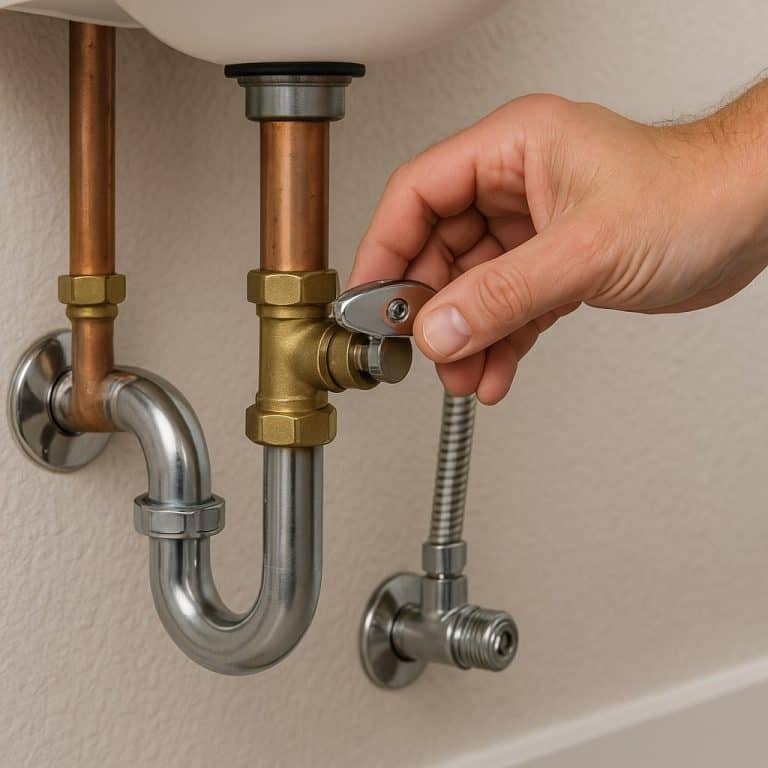
7. Confirm that shutoff valves move freely to help you stop water flow during emergencies
Turn each valve slowly. They should move without sticking. Valves help you stop water during emergencies. This task protects your home from sudden water damage.
Summer Preventive Maintenance for Outdoor Plumbing
In Summer, focus on outdoor lines, appliances, fixtures, drains, sewer spots, the disposal, and pressure to keep things running smoothly.
Summer brings more water use. These maintenance tips help keep drains clear and support outdoor plumbing.
1. Inspect outdoor plumbing for leaks to protect the water supply
Check garden faucets and irrigation heads. Warm soil shifts in Texas summers. This movement can loosen pipe joints. Catching drips early keeps the water supply steady.
2. Check appliances for strong flow to avoid mid-season failures
Run a short cycle in the washing machine. Look under the dishwasher for water stains. Clearing problems now protects appliances from sudden failure.
3. Look over fixtures for drips that raise water bills
Summer drips raise water bills. Check every faucet and fixture. A small drip from a faucet wastes gallons every day.
4. Clear drains that slow down to maintain smooth drainage
More showers and laundry can slow drains. Use a safe cleaning method or call a plumber if the drain smells or backs up. This protects the drainage path.
5. Inspect the sewer line area for wet spots to prevent backups
Walk around the yard. If you see puddles near the path of the sewer line, stop using large amounts of water and call a licensed plumber.
6. Review the disposal and kitchen drains to avoid odors and clogs
Summer cooking creates more food scraps. Listen for strain in the disposal. Slow drain flow can mean a buildup in the pipe.
7. Test water pressure while fixtures run to confirm good system performance
Run a shower and sink at the same time. Good water flow shows the plumbing system is working well.
Fall Plumbing Maintenance Checklist Before Cold Weather Arrives
In the Fall, inspect pipes, toilets, drains, heaters, fixtures, appliances, and outdoor lines to prevent cold-weather problems.
Fall is the time to prepare for temperature drops in Boerne. These tasks help protect lines and prevent leaks.
1. Inspect pipes for corrosion to stop early damage
Pipe joints loosen over time. Check the sealing around sinks and tubs so water cannot run behind the fixtures.
2. Check toilets for running water to prevent waste
A running toilet wastes gallons of water. Listen for a hiss. Look for small ripples in the bowl. You may need a fill valve or a simple part replacement.
3. Clean drains to remove buildup before winter
Fall cleaning helps you prevent winter backups. Clear hair and debris from sinks and showers.
4. Inspect water heaters to support steady hot water
Look at the tank for signs of wear, moisture, or buildup around the base. A quick check helps you notice changes that may affect how well the heater warms your home as the season gets colder.
5. Review fixtures for weak flow to catch buildup
Weak flow can signal a buildup inside pipes. Cleaning aerators or replacing a worn faucet helps restore a steady flow.
6. Check appliance hoses and lines to avoid winter failures
Cold weather can stress older hoses. Check for cracks in washing machine lines and dishwasher hoses.
7. Inspect outdoor plumbing and cover lines to prevent freezing
Cover outdoor plumbing with approved insulation materials. This step protects pipes during the first freeze of the season.
Winter Preventative Maintenance to Prevent Pipe Damage
In Winter, seal gaps, check heater settings, test valves, look for drips, clear drains, inspect faucets, and remove hoses to avoid damage.
Cold nights in Boerne can freeze pipes. These winter maintenance tips protect your plumbing system from damage.
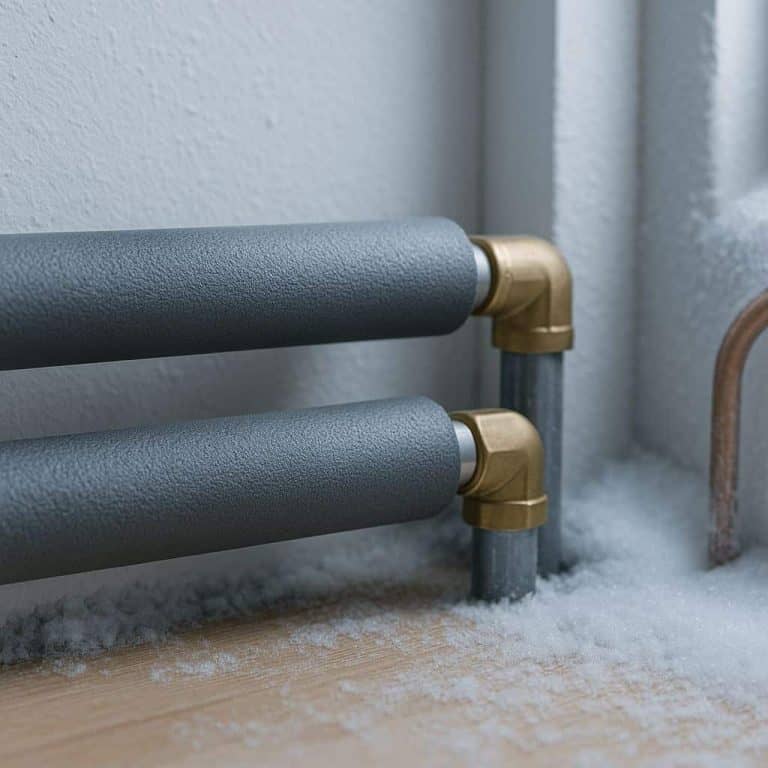
1. Seal gaps around pipes to protect them from freezing
Use safe insulation to seal open areas near pipes. This keeps warm air inside the home and protects the pipe from cracking.
2. Check water heater settings to support steady hot water
A water heater that works harder in winter needs care. If the water cools fast, the tank may need flushing.
3. Inspect shutoff valves to help control water during emergencies
Turn each valve fully on and off. A working valve lets you stop water flow during emergencies.
4. Look for drips near walls to catch hidden moisture
Walls may hide moisture. Look for soft spots or water stains. Spotting a leak early keeps water from spreading.
5. Keep drains clear to maintain good flow
Winter clogs form when grease cools in the pipe. Keep drains clear so water flows freely.
6. Check faucets for drips to spot early ice buildup
A slow drip in winter can warn you that a pipe is starting to freeze. Call a licensed emergency plumber if the leak increases.
7. Inspect outdoor plumbing and disconnect hoses to prevent cracks
Remove hoses and drain outdoor plumbing. This lowers the chance of a cracked pipe in freezing weather.
Why Plumbing Preventative Maintenance Matters for Your System
Preventative plumbing maintenance matters because it keeps your plumbing system steady through changes in weather and daily use. When you check your drains, fixtures, and appliances regularly, you reduce the risk of leaks and avoid sudden problems that disrupt your water supply.
Simple tasks like checking faucets, testing flow, and looking for water stains help you spot early warning signs that are easy to miss during busy weeks.
Basic pipework maintenance protects your home from corrosion and hidden moisture. The United States Environmental Protection Agency reports that small leaks can waste thousands of gallons of water each year, so early detection helps you save water and control your water bills.
Preventative plumbing maintenance also supports your water heater, since sediment builds up over time and affects how well the tank warms your water.
Local Factors in Boerne That Affect Plumbing Maintenance
Boerne homes are affected by high mineral levels in the local water supply. Hard water creates scale inside water heaters and faucets, which slows the flow and places extra strain on your system. Long heat waves also dry the soil around homes.
Dry soil can shift and exert pressure on buried lines, leading to cracks or small leaks. Cold winter nights bring another risk. When temperatures drop, exposed pipes can freeze.
A frozen pipe can split and cause sudden water damage once it thaws. Homes with older outdoor plumbing or shallow burial depth feel this most. Sudden storms can add extra pressure by filling drains and pushing water toward the sewer line.
These conditions make regular seasonal checks necessary for Boerne homes, since small changes can grow quickly if they are ignored.
Call Gottfried Plumbing for Seasonal Plumbing System Services in Boerne
If you want steady water flow and fewer surprises year-round, Gottfried Plumbing can help you maintain your system throughout the seasons. Our team handles inspections, minor repairs, and cleaning to keep pipes and drains functioning properly.
We live and work in Boerne, so we understand how heat, hard water, and cold nights affect homes here. When you need help with seasonal maintenance, we are ready to support you with clear steps and friendly service.
Call (830) 331-2055 for plumbing maintenance services in Boerne, TX.
FAQs
What is the 135 rule in plumbing?
The 135 rule in plumbing tells the plumber to avoid sharp turns in a pipe. Instead of bending the pipe into a single tight 90-degree turn, the plumber makes it turn in two gentle 45-degree steps. This creates a smoother path so waste can move through the line without slowing down or getting stuck.
You usually see the 135 rule used in drain lines and sewer lines, where a sharp turn could cause clogs.
How often should plumbing be serviced?
Plumbing should be serviced at least once a year. Yearly plumbing maintenance supports the system and helps prevent leaks, clogs, and unexpected emergencies.
What is the preventative plumbing maintenance cost?
A single preventative plumbing maintenance visit in Boerne typically costs $100 to $500, depending on the home size and how many fixtures the plumber checks.