

To prevent frozen pipes in Boerne, follow these steps:
- Insulate outdoor and exposed lines with foam sleeves or heat tape.
- Seal gaps around walls and floors to block incoming drafts.
- Let faucets drip overnight during cold weather.
- Keep your indoor temperature at 55°F or higher at all times.
- Open cabinet doors so warm air reaches hidden lines.
- Disconnect and drain garden hoses and protect outdoor spigots.
- Install frost-proof outdoor faucets for long-term protection.
- Insulate attics, basements, and crawl spaces.
- Shut off outdoor valves and drain lines feeding sprinklers.
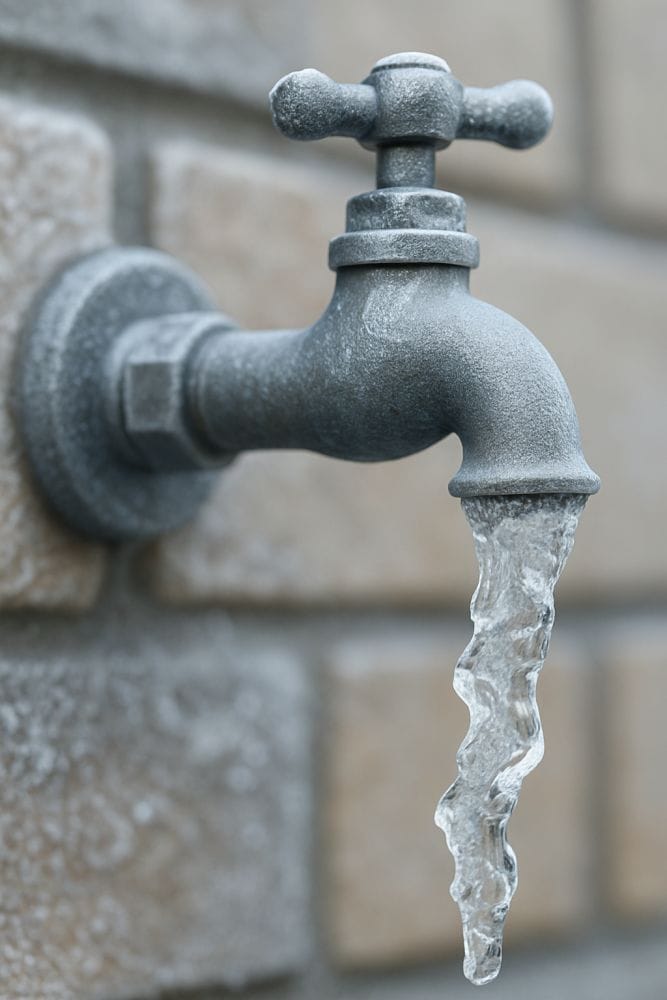
Frozen pipes are one of the most common plumbing issues during winter, as nighttime temperatures often drop below freezing. When water inside a pipe freezes, it expands and pushes against the walls until the pressure becomes too strong.
That force can split fittings, weaken joints, and create small openings that quickly turn into leaks. A single burst line can release gallons in minutes, soaking flooring and reaching interior walls before you even notice.
Early protection reduces these risks and lowers the chance of mold, structural problems, and expensive cleanup.
This guide explains how to prevent frozen pipes in winter. If you have more questions or need professional plumbing in Boerne, call (830) 331-2055. Get your system inspected and keep your home safe.
How to Prevent Pipes from Freezing in Cold Weather
To prevent pipes from freezing in cold weather, insulate exposed lines and seal gaps before temperatures drop. Let faucets drip and keep your indoor heat at 55°F or higher.
You can also open cabinet doors so warm air can reach hidden areas. In addition, disconnect garden hoses and protect every outdoor spigot. Upgrade to frost-proof fixtures for better long-term protection.
Finally, add insulation in unheated spaces and shut off all seasonal lines to remove standing water before the freezing weather.
Below are tips to prevent frozen pipes and protect your piping during colder months:
1. Insulate Outdoor and Exposed Pipes to Keep Heat Around the Line
To insulate outdoor lines, wrap them with foam sleeves or heat tape before it gets cold.
This barrier holds warmth and prevents ice buildup.
- Use thick foam sleeves for plastic and copper lines.
- Secure seams with weather-resistant tape.
- Focus on unheated areas like garages, attics, and crawl spaces.
- Inspect the insulation annually for cracks or signs of moisture damage.
Proper coverage is the first line of defense against freezing and bursting.
2. Seal Air Leaks to Stop Cold Air From Reaching Your Water Lines
Seal gaps near pipe openings to stop chilly air from reaching your plumbing.
Even small leaks can let in enough air to cause frost inside lines.
- Use silicone caulk or expanding foam to fill holes.
- Check under sinks, utility rooms, and basement corners.
- Inspect outdoor walls where lines exit your home.
Blocking drafts helps your water lines maintain a steady temperature during colder snaps.
3. Let Faucets Drip Overnight to Keep Water Moving and Prevent Freezing
Allow fixtures to drip slightly to keep water moving and prevent internal ice buildup.
Running flow doesn’t freeze easily, which relieves strain during low temperatures.
- Let bathroom and kitchen fixtures run at a slow drip overnight.
- Prioritize those along exterior walls or near cool zones.
- Keep both hot and cold taps dripping slightly to balance pressure.
This small step costs little but can prevent thousands in repair expenses.
4. Keep Indoor Temperatures Constant in Every Room
Keep your home at 55°F or higher to prevent lines from freezing in winter.
Consistent heating protects the system in every room.
- Avoid turning off the thermostat when leaving home.
- Keep interior doors open to distribute warmth evenly.
- Do not block vents with furniture or boxes.
A steady indoor climate is one of the most effective ways to prevent frozen lines.
5. Open Cabinet Doors So Warm Air Can Reach Hidden Pipes
Open kitchen and bathroom cabinets to let warm air reach hidden lines.
This helps equalize temperature and prevents cold spots behind closed doors.
- Do this overnight when frost is expected.
- Move cleaning products out of children’s reach.
This simple habit supports airflow and reduces the risk of frozen water lines under sinks.
6. Disconnect Garden Hoses to Prevent Ice From Backing Into Your System
To prevent freezing, disconnect hoses and drain outdoor spigots before winter begins.
Water trapped in hoses can freeze and expand into your system.
- Unscrew each hose and store it indoors.
- Drain the spigot and use insulated covers for added protection.
A drained and covered outdoor faucet stays protected throughout the entire season.
7. Install Frost-Proof Faucets to Stop Outdoor Lines From Freezing
Replace standard spigots with frost-proof models that prevent trapped liquid from freezing.
These fixtures drain automatically after each use.
- Ideal for long-term protection in fluctuating winters.
- Simple and affordable upgrade for most homes.
- Minimizes future maintenance and repair costs.
This improvement is a one-time investment for lasting protection.
8. Insulate Attics, Basements, and Crawl Spaces to Prevent Heat Loss
Add insulation in unheated areas where lines run close to exterior walls.
It reduces heat loss and keeps the system safe during extreme cold weather.
- Use fiberglass or foam material rated for subfreezing conditions.
- Pay attention to areas near vents or unsealed gaps.
- Proper insulation helps lower energy bills while protecting your pipework.
9. Shut Off Outdoor Valves and Drain Lines Feeding Sprinkles to Remove Water Before It Freezes
Turn off outdoor valves and drain lines feeding sprinklers, pool fills, or garden systems.
Removing the water prevents internal freeze damage.
Follow these steps for the best results:
- Find the outdoor shutoff valve and fully close it.
- Open the exterior faucet to release trapped water.
- Leave it slightly open to allow expansion if any moisture remains.
This process shields your supply lines from ice pressure and leaks.
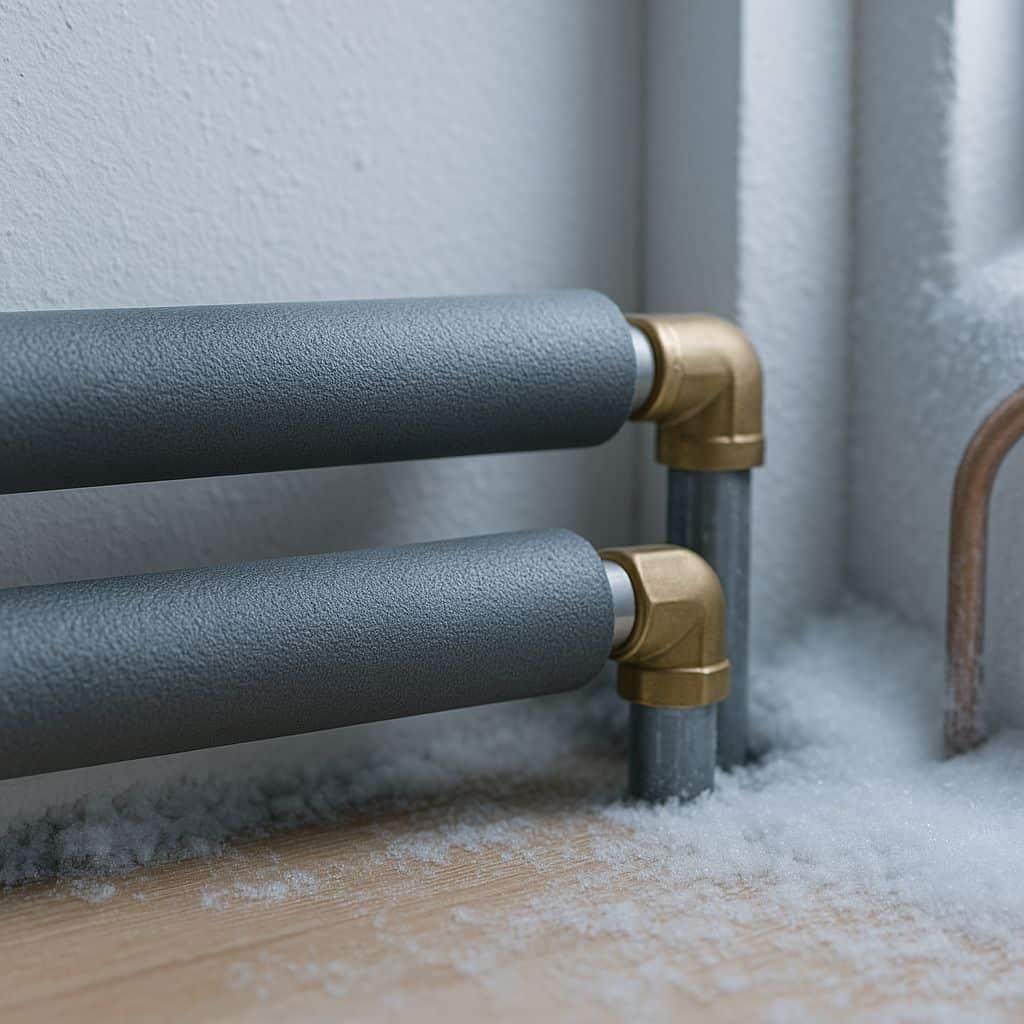
Why Pipes Freeze in Boerne Homes
Pipes freeze in Boerne when cold air reaches uninsulated pipework and the water inside turns to ice, creating pressure that can burst lines.
When Boerne nights fall below 32°F, exposed lines in garages, crawl spaces, and exterior walls freeze quickly. Air leaks, poor insulation, and uneven heating make the problem worse.
Understanding these causes helps you protect your plumbing before the next cold spell.
Signs Your Pipes May Be Freezing
Early signs of frozen pipes include weak flow, frost on exposed lines, banging or gurgling, cold spots on walls or floors, bulging sections, and complete stoppage.
Here’s a quick list of what to look for if you suspect freezing pipes.
- Reduced pressure: Faucets release only a small trickle instead of normal flow.
- Frost on exposed lines: White or icy buildup appears near exterior walls.
- Unusual sounds: Banging, clanking, or gurgling noises occur as ice blocks flow.
- Cold spots on walls or floors: The area near the frozen line feels much cooler than the rest of the room.
- Bulging pipe sections: Swollen or distorted areas signal internal pressure buildup.
- Complete stoppage: Fixtures stop running entirely, often with the final warning before a burst.
Spotting these early signs allows homeowners to react quickly and limit damage.
If you’re unsure where to start, Gottfried Plumbing can inspect your plumbing system. One quick visit can save you thousands in repairs.
Our family-owned business is licensed, insured, and trusted for reliable plumbing service across Beorne, TX. Call now: (830) 331-2055.
FAQs
How to insulate outdoor water pipes?
Wrap exposed lines in foam sleeves or apply electric heat tape. Focus on unheated spaces like garages and attics.
How to prevent frozen pipes from bursting?
Thaw them slowly using warm towels or a hair dryer. Avoid flammable tools or direct flames. Keep the main valve closed until pressure normalizes.
How to keep pipes from freezing without power?
Wrap lines with blankets or towels and close off drafts. Open cabinets to allow trapped warmth to circulate.
Does insurance cover frozen pipes?
Some homeowner policies cover sudden bursts, but not damage from neglect. Preventive steps are the best protection.
How do I use the shutoff valve to protect pipes from freezing?
Turn the shutoff valve off for outdoor faucets before the first freeze. This stops standing water from expanding and bursting the line.