

To detect hidden leaks in your home:
- Shut off all taps and check if the numbers in your meter move to detect hidden water loss
- Track your water bill to catch any sudden changes
- Do a toilet dye test to find silent tank leaks
- Inspect fixtures to identify early signs of water damage, like discoloration
- Listen for dripping sounds and pay attention to musty odours
- Use a moisture meter to check damp spots
- Check outdoor areas for wet soil from underground leaks
- Monitor water pressure for unusual drops and check behind appliances for damp spots or rust
A hidden leak wastes water quietly and leads to costly repairs. Many homes face this issue because of aging pipes, shifting clay soil, and mineral-rich water. These small drips can soak interior surfaces, damage foundations, and increase bills before you even notice.
This guide explains how to find a leak early, when to call a plumber, and how to keep your plumbing system safe year-round.
If you have more questions, call us (830) 331-2055. Gottfried Plumbing offers professional leak detection in Boerne, TX.
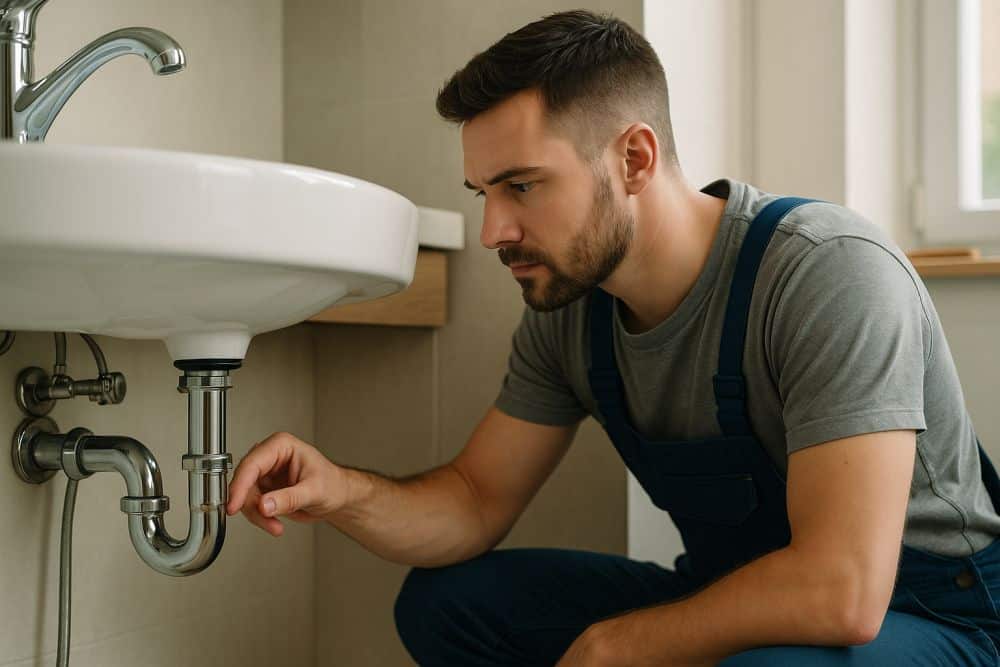
How to Detect Hidden Leaks Before They Cause Damage
To detect a hidden leak, first shut off all taps and check if the numbers in your meter move. Next, track your water bill for sudden changes, then perform a toilet-dye test to rule out tank drips.
After that, inspect fixtures and connections for moisture. You can also listen for signs of dripping water. Use a moisture meter to check damp spots on walls or floors, and check outdoor areas for wet spots. Finally, monitor water pressure for unusual drops and check behind appliances for damp spots or rust.
Use the steps below to spot hidden water leaks early, before they cause severe damage:
1. Shut off all taps and check if the numbers in your meter move to detect hidden water loss
To check your water meter for a leak, shut off all taps, sprinklers, and appliances. Wait 15 to 30 minutes. If the meter dial or numbers move, water is escaping somewhere in your plumbing system. Even small movements can mean slow seepage in pipes hidden behind walls or floors.
2. Track your water bill to catch any sudden changes
Track monthly bills carefully. A sudden increase without more usage is often a sign of a hidden water leak. Record your readings every 30 days and note spikes. This simple tracking helps you catch a leak before it causes major damage.
3. Do a toilet dye test to find silent tank leaks
Add 2-3 drops of food coloring or a leak detection tablet to the toilet tank and wait 10-15 minutes without flushing. If the color appears in the bowl, replace the flapper valve. This test helps you find one of the most common hidden household leak issues.
4. Inspect fixtures to identify early signs of water damage, like discoloration
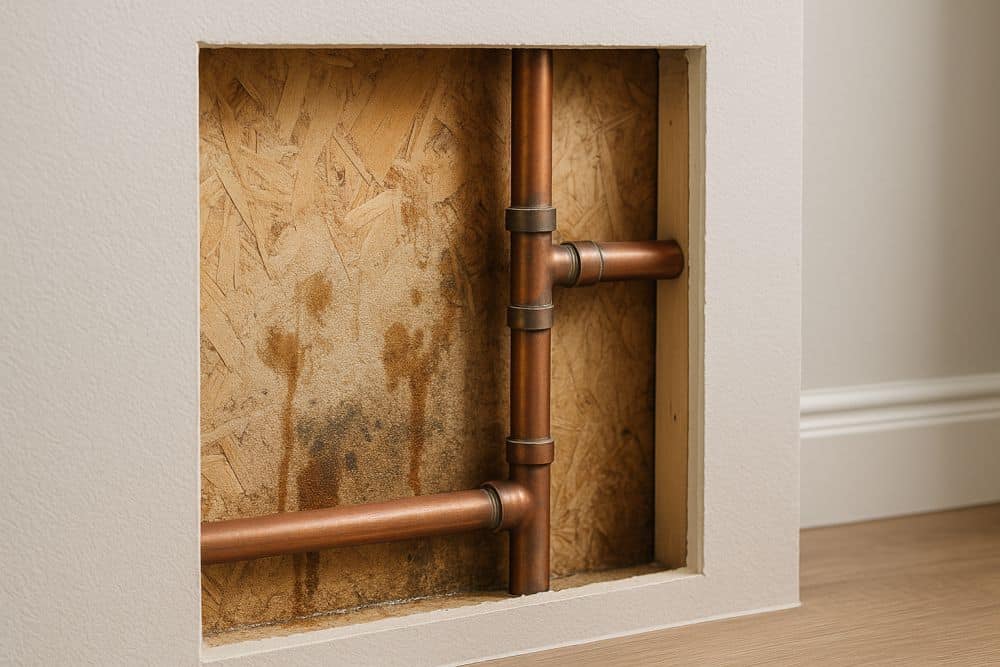
Look under sinks, around tubs, behind toilets, and near washing machines. Feel pipes and surfaces for dampness or wet patches. Discoloration, rust, or swollen wood often indicates a nearby leak. Wipe the area dry, wait an hour, and check again to confirm.
5. Listen for dripping sounds and pay attention to musty odours
At night, when the house is quiet, listen for faint dripping or hissing sounds. A hidden leak behind a wall often makes a repetitive sound. Musty odours or damp smells from walls or ceilings suggest trapped wet air. Your nose can catch a leak before any stains appear.
6. Use a moisture meter to check damp spots
A moisture meter is a small, handheld device that measures moisture levels inside walls, floors, or ceilings. Place it against suspected spots. Readings between 5% and 12% are normal for most interior materials. Levels between 15% and 17% show elevated moisture, while anything above 20% suggests a possible leak.
7. Check outdoor areas for wet soil from underground leaks
Walk around your yard after watering or rainfall. Look for soggy areas, uneven grass, or puddles that don’t dry quickly. Greener patches on the lawn often mark an underground pipe leak. Shifting soil makes outdoor leaks easy to miss, so watch out for these signs.
8. Monitor water pressure for unusual drops and check behind appliances for damp spots or rust
Low water pressure can mean a hidden leak, reducing flow. Test by running two fixtures at once. If pressure drops sharply, there may be a break in the line. Also check behind dishwashers, water heaters, and refrigerators for damp spots or rust around hoses and fittings.
Why Hidden Leaks Are Common in Boerne Homes
Hidden leaks happen often in Boerne homes. The region’s hard water leaves calcium deposits that erode pipe joints over time. Clay soil around foundations expands when it is wet and contracts during dry spells. That movement stresses underground pipes.
Homes built before 2000 often use older copper or galvanized pipes that corrode more quickly than modern materials. Over time, these conditions lead to slow leaks behind surfaces, under floors, or beneath slabs.
When to Call a Plumber for Professional Leak Detection
Call a plumber if your meter moves while all taps are off, damp spots return after drying, or you suspect a slab leak.
Our licensed plumber can find the exact source without damaging your walls or flooring. Professionals use listening devices, acoustic sensors, and thermal cameras to quickly locate leaks. Early detection can prevent cracked foundations and structural damage.
How to Prevent Future Hidden Leaks
To prevent future hidden leaks, keep your water pressure between 40 and 60 psi. Reduce mineral buildup and replace any weak hoses. After that, check your plumbing monthly. You can also add leak sensors and schedule a yearly inspection.
To prevent future hidden leaks, follow these simple steps before minor problems turn into severe damage:
- Keep your water pressure between 40 and 60 psi (pounds per square inch). Anything over 80 psi violates the residential plumbing limit set in the International Residential Code (IRC P3) and can strain pipe joints and fixtures.
- Install a water softener. It reduces mineral buildup that corrodes pipe interiors.
- Replace old supply hoses and fittings every 5–7 years, especially for washers and dishwashers.
- Inspect all faucets, valves, and exposed piping monthly for drips or signs of wear.
- Use a leak detector or smart device under sinks or near vulnerable lines (e.g., near the water heater).
- Schedule an annual professional plumbing inspection. Licensed plumbers catch weak spots before leaks form.
- Consider partial repiping in high-risk areas, if your home has older metal piping (copper, galvanized),
- Monitor your water meter and bills monthly to ensure accurate usage tracking. Sudden changes may signal small leaks.
Call Gottfried Plumbing to Detect Hidden Water Leaks in Boerne TX
Hidden leaks can cause serious water damage if ignored. Gottfried Plumbing finds and repairs leaks quickly using advanced tools. Gottfried Plumbing (Master Plumber Licence #43658) serves Boerne, TX, with licensed plumbers who locate and repair leaks fast using trusted, local experience.
Call (830) 331-2055 today to schedule your inspection and protect your home from hidden leaks.
FAQs
How to detect hidden water leaks in your home?
To detect hidden water leaks in your home, check your water meter, inspect fixtures, and look for wet patches or musty odours. If signs persist, call a professional plumber.
How much should water leak detection cost?
Water leak detection usually costs $150–$400 for standard homes and $400–$600 for slab or yard leaks that require advanced devices.
How long does leak detection take?
Most professional leak detection takes one to two hours, depending on the size of your home and the type of plumbing system.
What are the signs of a hidden water leak?
Signs of a hidden water leak include higher water bills, damp walls, mildew smells, bubbling paint, low pressure, or greener lawn patches.
How to find a leak in wall or ceiling?
To find a leak in a wall or ceiling, look for stains, listen for dripping sounds, and use a moisture meter device to confirm damp areas before calling a plumber.